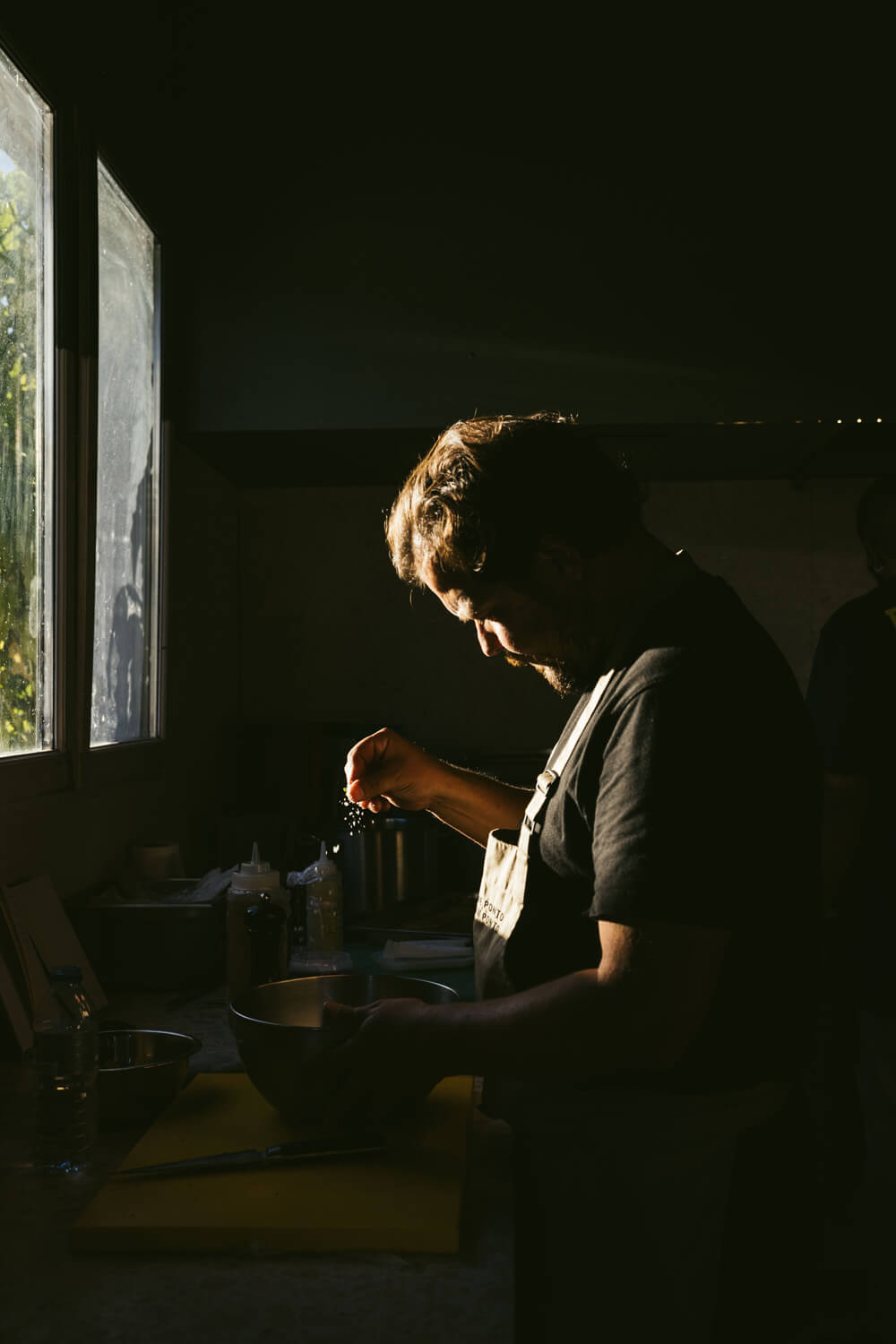
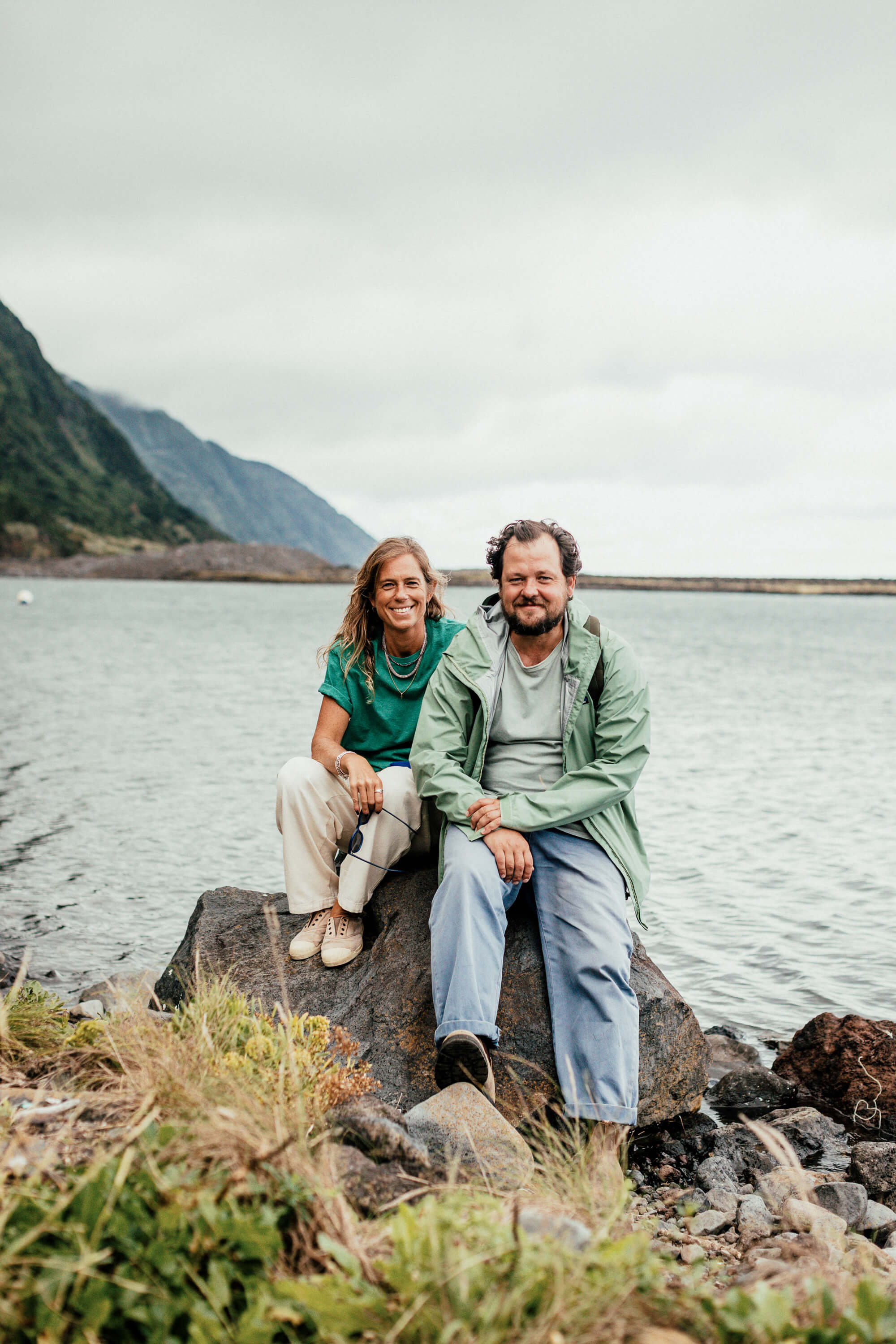
Emerged on the Portuguese coast from a simple, fundamental gesture: reading the land.
Residencia Açores

At the crossroads of nature and culture, MOGO is a place where culinary research meets the rhythms of the land and sea. Founded and led by João Rodrigues, MOGO is an independent project of gastronomic research, curated by Matéria Project and created in partnership with Na Praia. Located on Portugal’s Alentejo coast, in the Sado Estuary, it begins with a single gesture, reading the land.

Structured around three principal fields of study — Dune, Land and bound together by Water, the element that moves through and unites them all. MOGO explores the dialogue between ecosystems and the communities that sustain them. Each field unfolds into its own living environments: from the deep and shallow waters of the sea to the shores, the shifting flora of the dune, and from the cultivated plains to mountain landscapes. From these foundations emerges a menu that interprets place through ingredients, craft and memory, an ongoing chronicle of how landscape becomes food.

More than a restaurant, MOGO stands as a work of research and identity, rooted in territory, community and biodiversity, a personal way of thinking and practicing food as culture and quietly defining its place within both the national and international culinary scene.

WATER — THE CONNECTIVE ELEMENT

Water is the thread that runs through MOGO.
It connects Sea, Dune, and Land, carrying energy, matter, and life between them.
It moves, unites, and transforms.
It shapes geography, culture, and food.
It is both passage and memory, the silent link between places and people.

Water
Depth
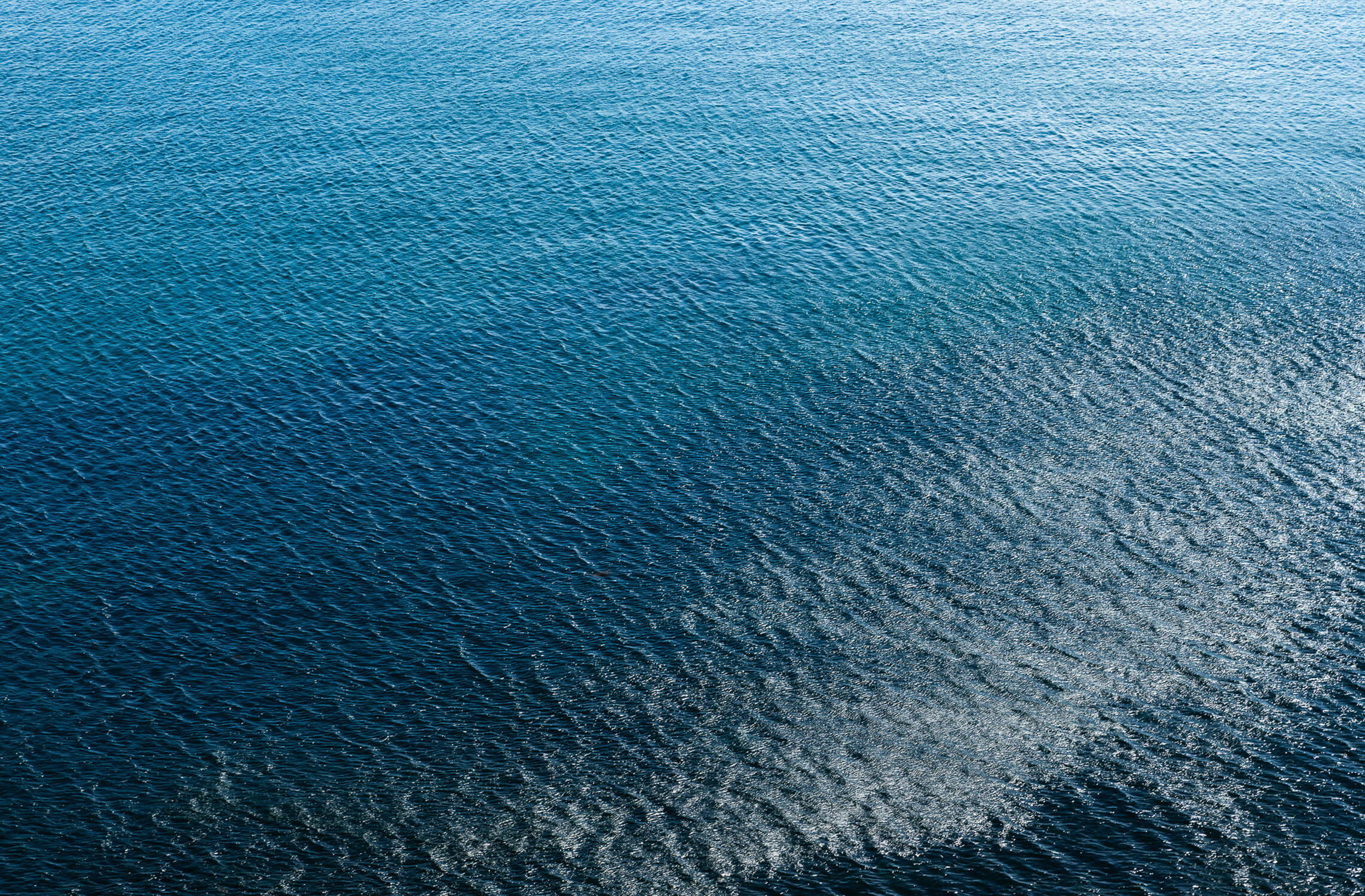
Water in its purest form: endless, connecting, alive.

In the open sea, MOGO conducts research focused on deep-ocean ecosystems, examining pelagic species, migration routes, fishing methods, and the human communities that depend on this maritime territory, understood as a space of circulation that connects places, people, and cultures.

The work focuses on species such as tuna, swordfish, amberjack, grouper, wreckfish, monkfish, and lobster, among others, seeking to understand their life cycles, seasonality, the environmental impact of their capture, and their role in local food culture.

heavy water
Water
Rock
Where waves meet stone, motion, life holds on.
Water leaves its signature, salt, rhythm, renewal.

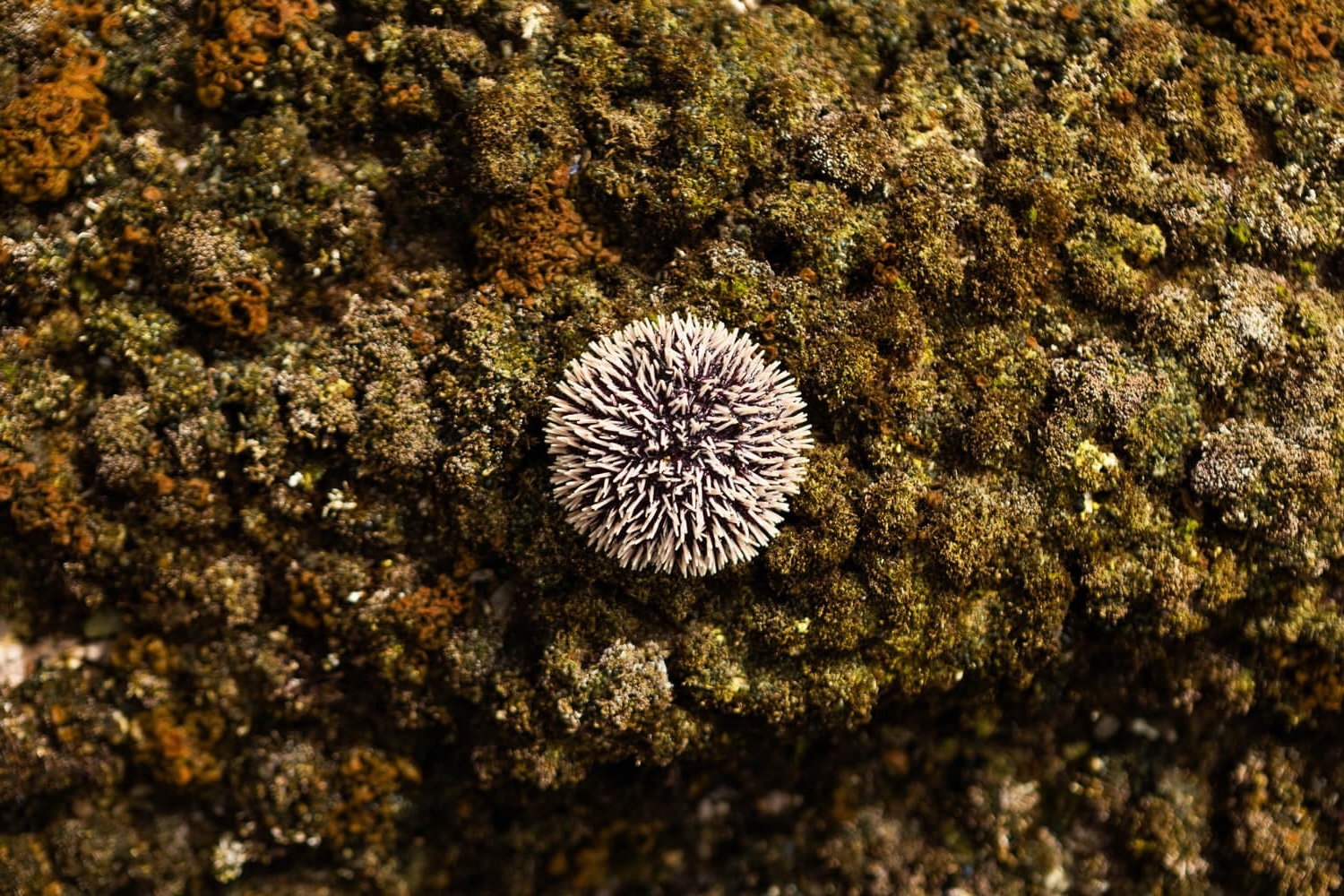
Where the ocean meets the land, the rocky shoreline becomes an active territory shaped by tidal movement. In the intertidal zone, seaweeds, shells, and crustaceans form small habitats influenced by the rhythm of the water and the interaction between sea and rock.

This narrow and constantly changing strip is observed as a space where natural resilience, traditional practices, and tidal cycles coexist.

Species such as sea urchins, goose barnacles, octopus, crab, limpets, and seaweeds are part of this ongoing observation.

rock
Water
HEAVY WATER
Where the ocean breaks. Power, Energy.
The meeting of land, sea and force.

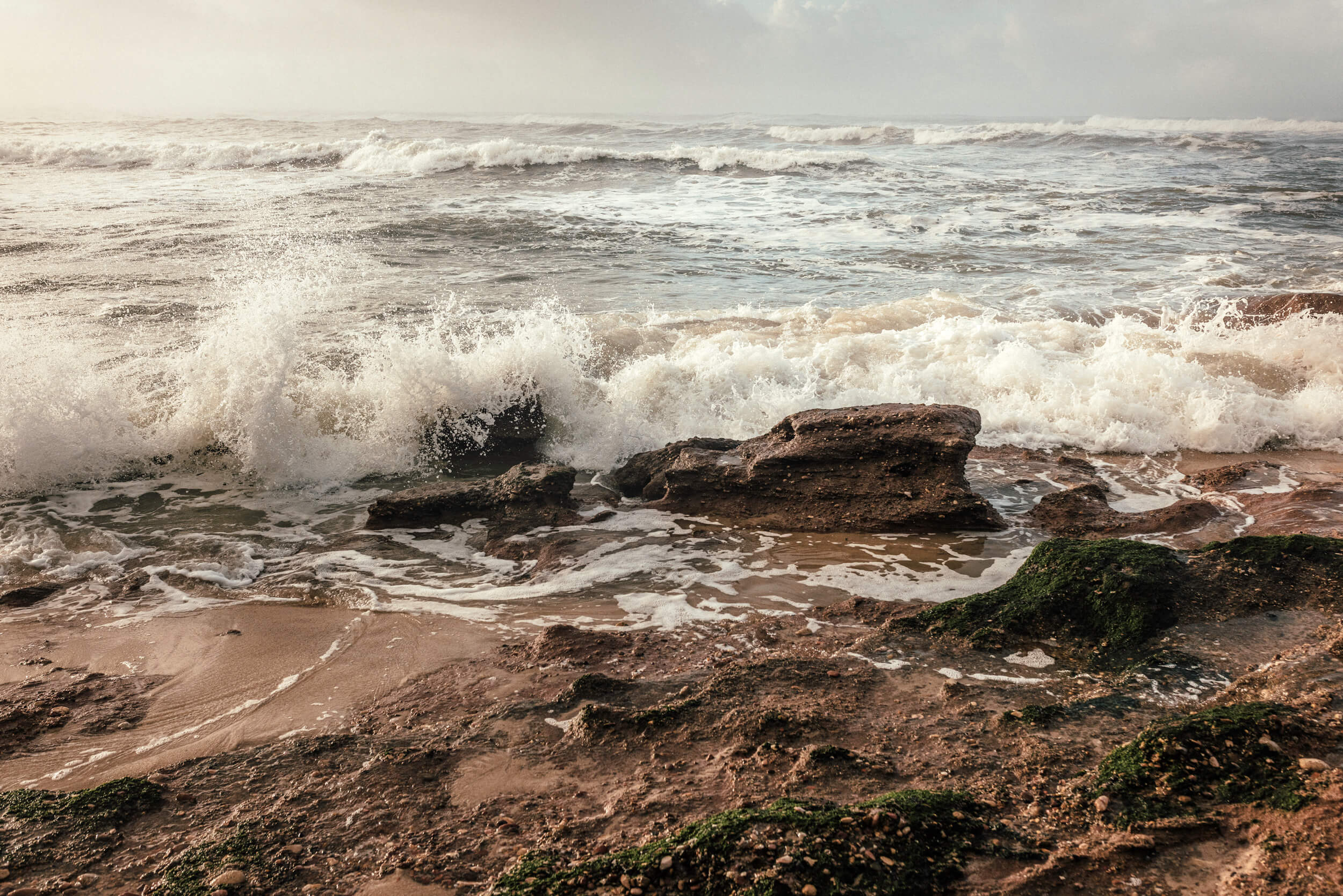
“Heavy water” refers to the surf zone, where ocean energy interacts directly with the coastline. It is a highly dynamic environment, shaped by wave force, sediment movement, and constant variation at the interface between land and sea.

This impact zone is observed as a territory of continuous adaptation, where species develop specific strategies in response to environmental instability and where the physical processes of water permanently shape the ecosystem.

Coastal species such as sardines, sea bass, white seabream, sole, squid, weever fish, and surf clams are part of this area of study.

heavy water
Water
CONFLUENCE
Waters mix, creating abundance.
A dialogue of river and sea.

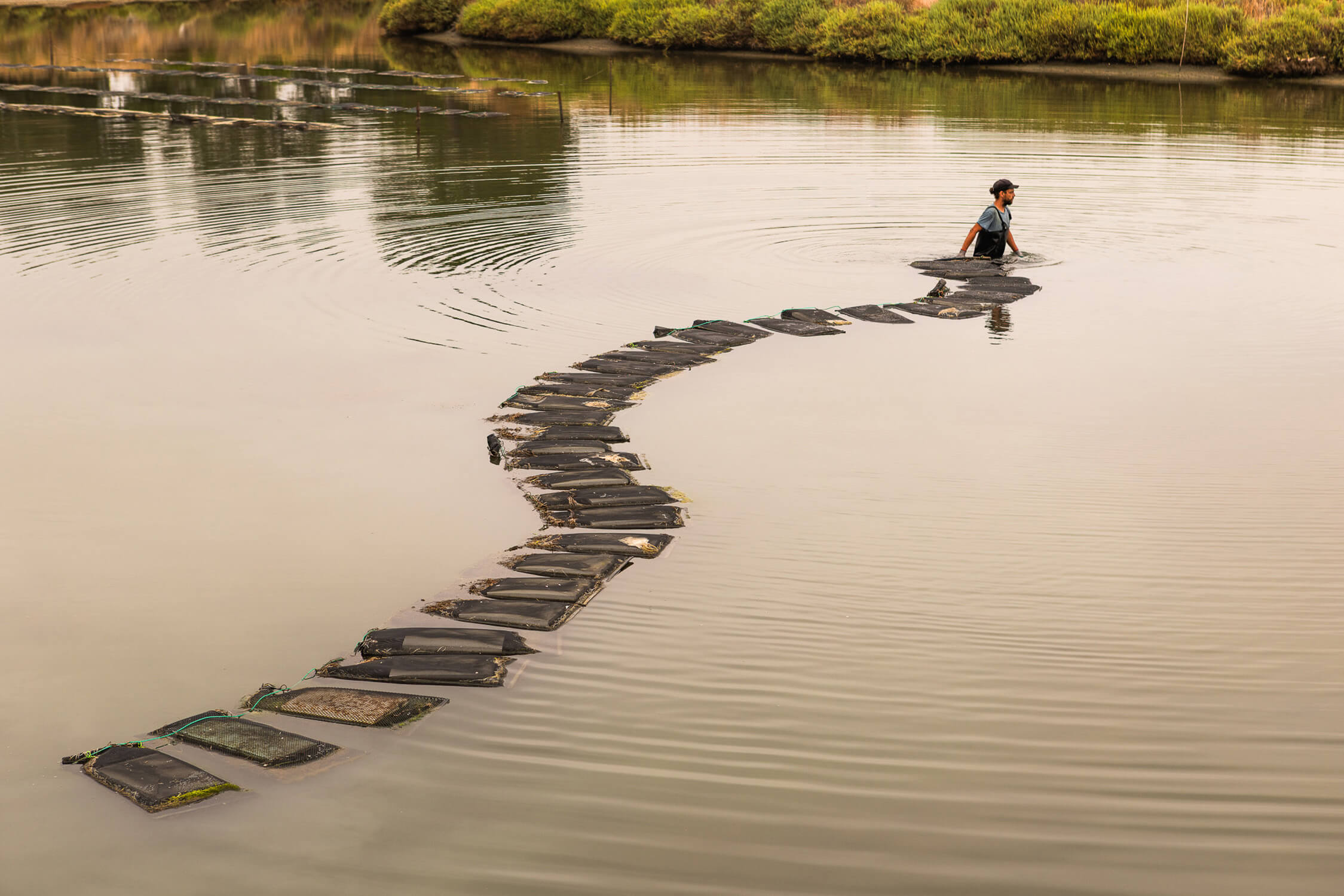
In the estuary, the interaction between freshwater and saltwater creates a highly productive ecosystem. Tidal movements influence the river system, transporting nutrients and supporting a wide diversity of species.

This transitional territory is observed through fishing practices, salt production, and species migration, revealing the ongoing relationship between human communities and the estuarine system.

Seagrass meadows, essential as nursery habitats, oysters, other bivalves, eels, red mullet, meagre, and river shrimp are part of this area of study, developed in close connection with the local fishing community that helps preserve this ecosystem.

confluence
Dune
Dune
Shifting ground.
Wind, sand, and roots shaped by sea and
salt. Water remembered, not seen.

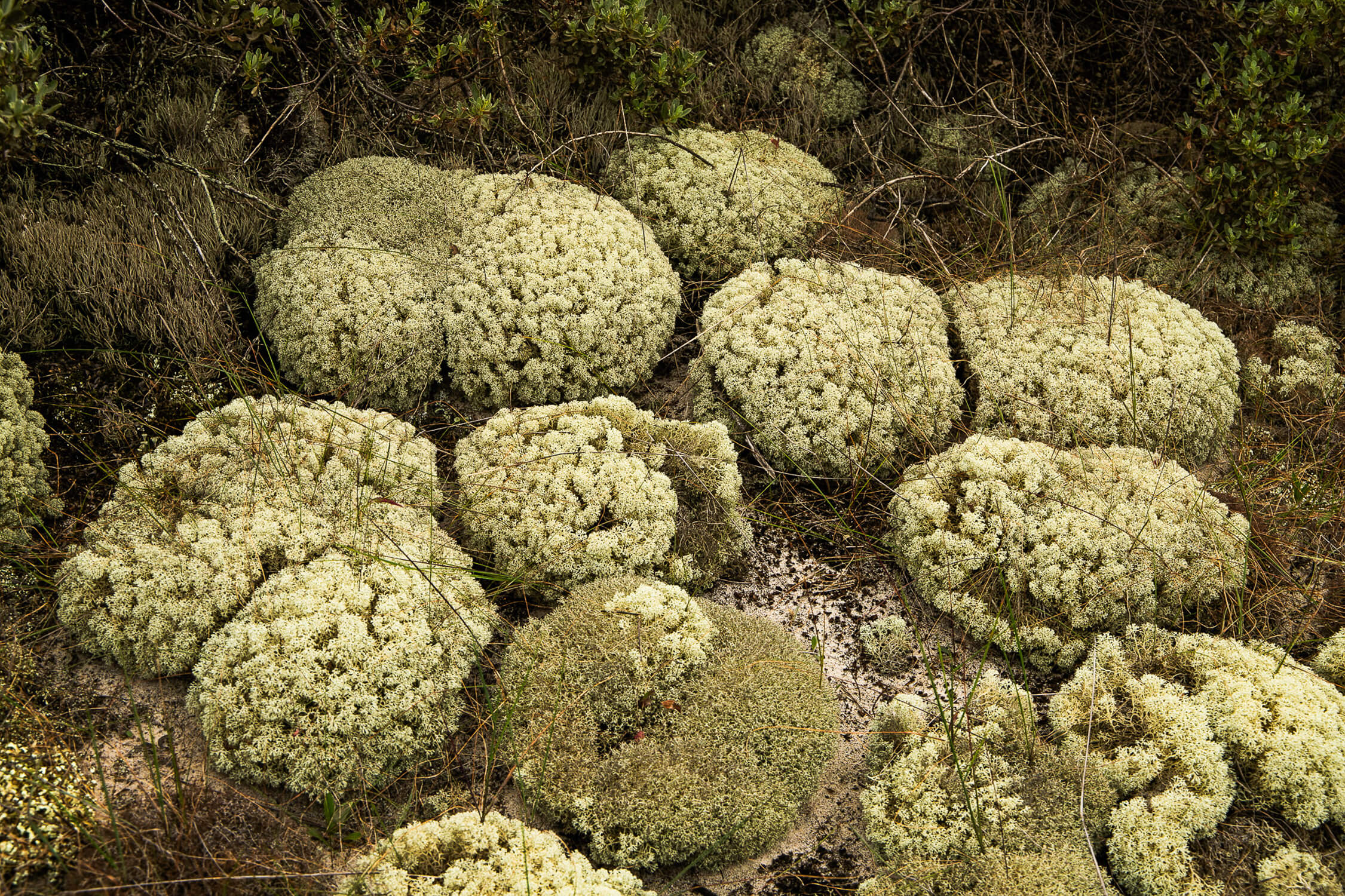
The dune is a living system in constant transition, shaped by the action of wind, salt, and soil moisture. Between dunes and salt marshes, vegetation plays a key role in sediment fixation and in stabilising this dynamic territory.

MOGO observes this fragile environment as a functional and interdependent system, where natural processes allow a gradual shift from instability to balance. The dune is organised into different zones — embryonic, primary, secondary, and salt marsh — along a gradient from sea to land.

Thyme, rosemary, lavender, crowberry, sea everlasting, juniper, and other halophytic plants are among the species found in this ecosystem.

Dune
Land
PLAIN
Soil fed by water and time.
The rhythm of growth and harvest.
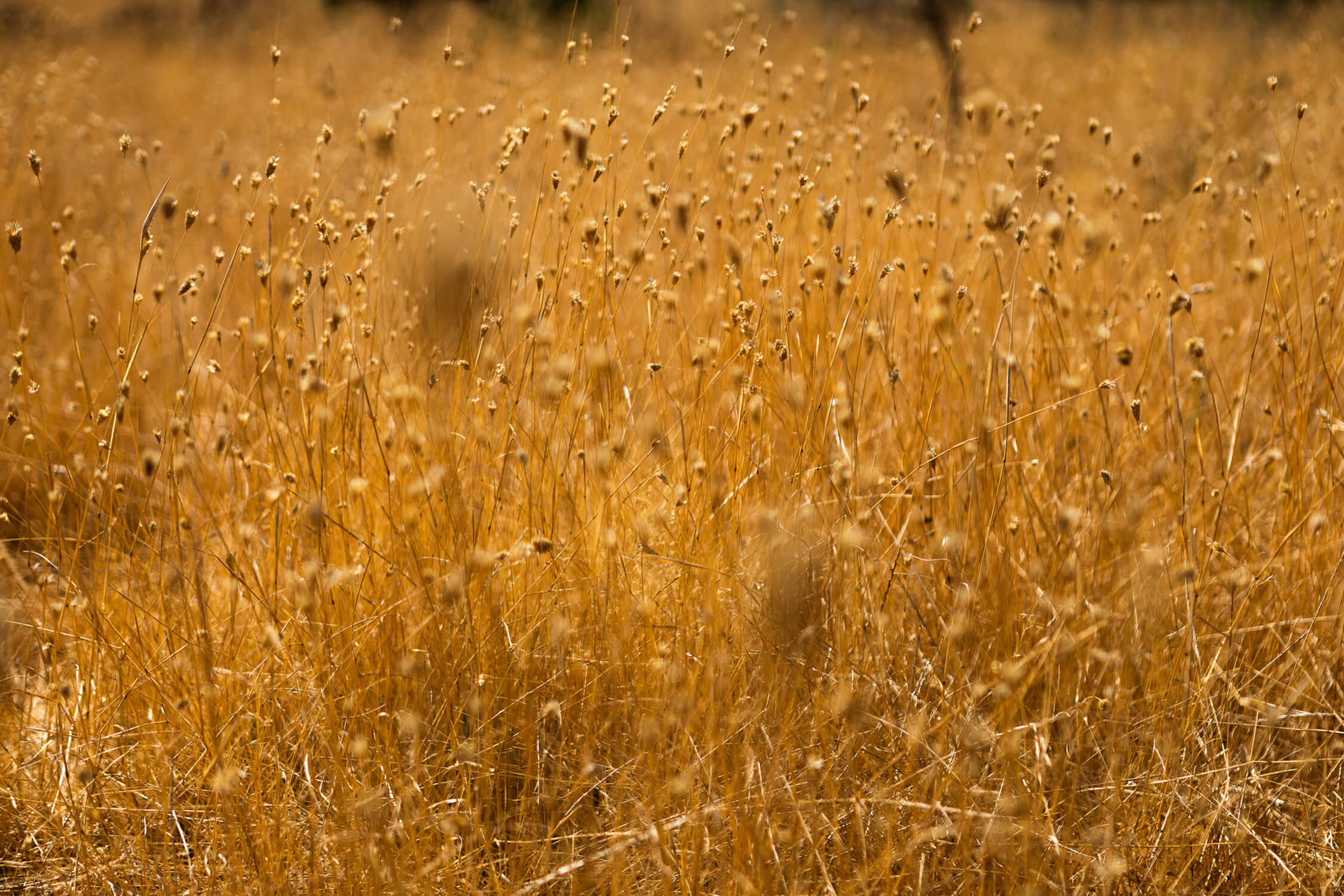
In the plain, water circulates mainly below ground, playing an essential role in soil fertility. Rainfall and river systems support agricultural activity, while seasonal cycles shape production rhythms. The work carried out focuses on the plain as an active agricultural territory, where human practices and natural resources are organised according to water availability and ecosystem balance. Rice, pine nuts, vegetables, fruit, sweet potato, milk, cheese, eggs, and animal production are part of this productive system.
plain
Land
Montado
Cork Oak, pasture, coexistence.
A landscape shaped by care and rain.
Balance written in soil and time.

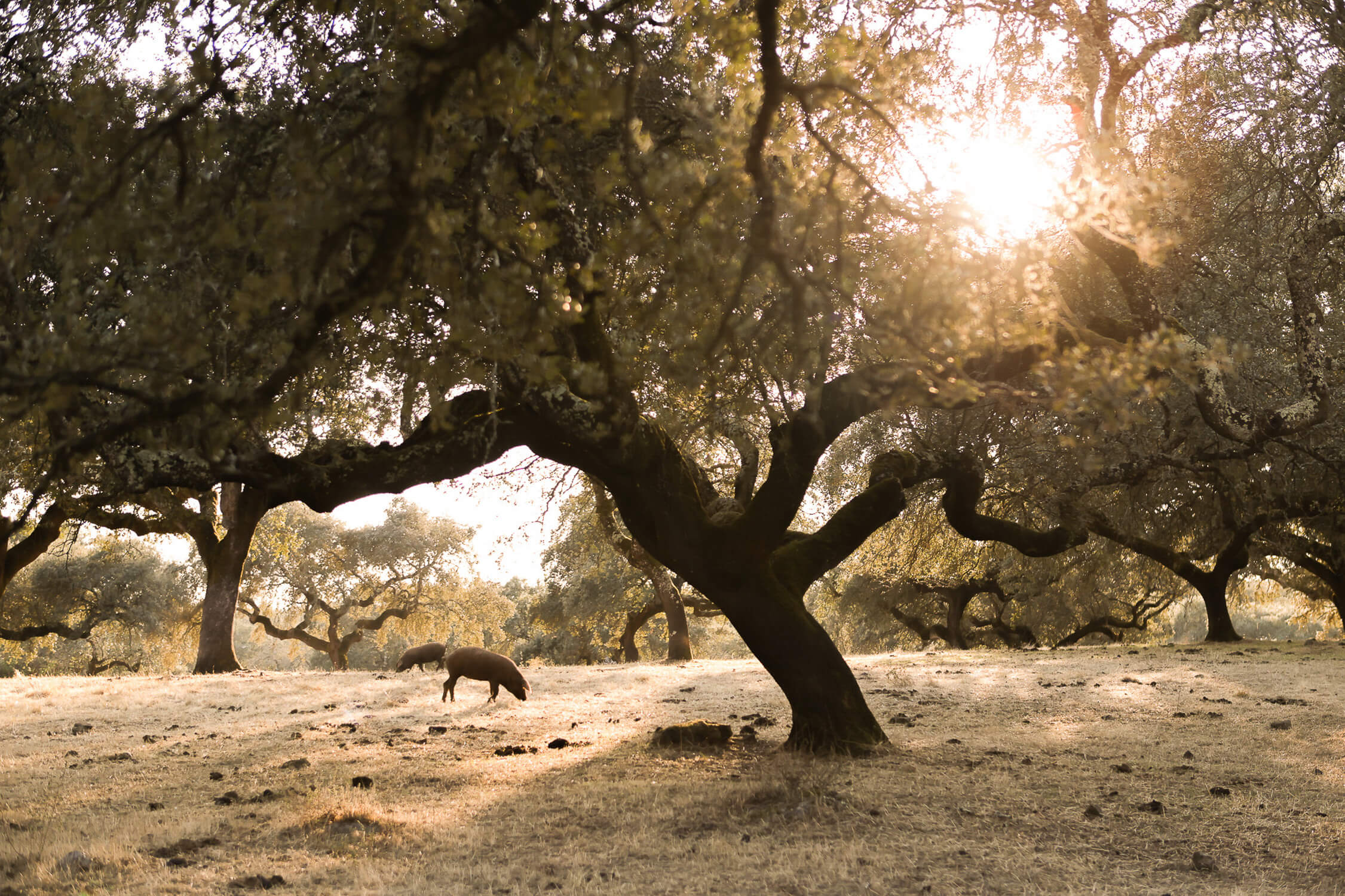
The montado, Portugal’s cork oak savanna, is a system shaped by the ongoing relationship between people, trees, and water. Rainfall sustains root development, streams provide water for animals, and balance is maintained across generations.

This territory is understood as a model of continuity, based on cycles of care, use, and renewal that allow it to persist over time.

Its resources include firewood, cork, acorns, and Alentejano pork, reflecting long-established practices of use and management.

Montado
Land
Montain
Elevation and endurance.
Mist, wild life, springs, and stone.
The birthplace of flow.

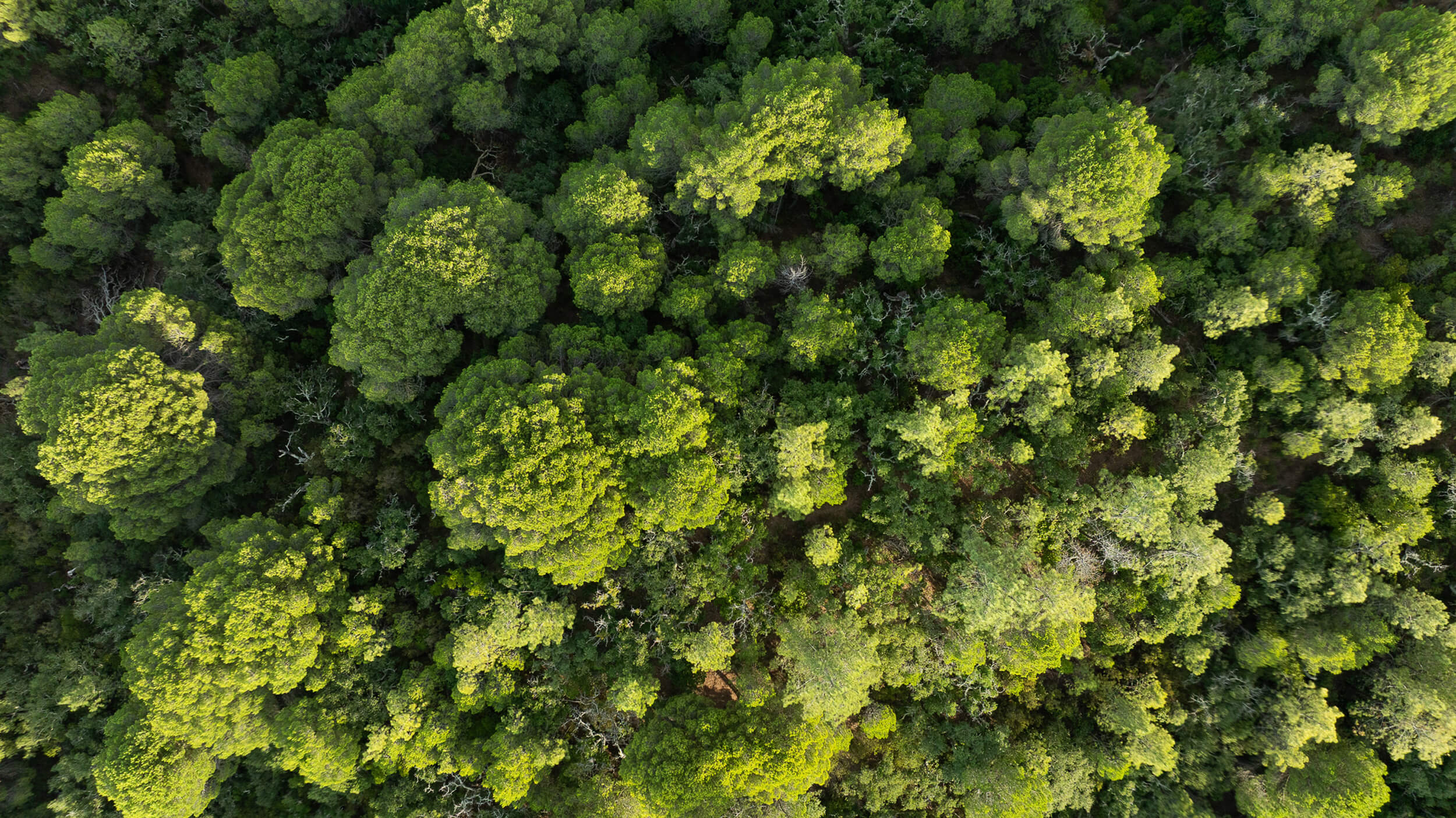
In the mountain range, water structures the territory. Springs give rise to watercourses, the terrain guides their paths, and humidity supports the maintenance of vegetation.

The Serra de Grândola, together with the elevations of the Caldeirão further south, functions as a source area for the water systems that sustain the surrounding territory, including the Melides region.

This landscape supports activities and resources such as foraging, game, honey production, and the use of wild plants.

mountain
João Rodrigues
JOÃO RODRIGUES

João Rodrigues develops his work through an attentive relationship with food, territory, and the people who inhabit it. With close to three decades of daily practice in the kitchen, his path has been shaped by observation, listening, and a sustained commitment to the origin of ingredients and the knowledge that surrounds them.

Over time, he has developed a cuisine informed by place, where culinary practice and research move side by side. For ten years, he led a Michelin-starred restaurant, a period during which his work began to extend well beyond the walls of a kitchen, unfolding through a constant movement across the country in dialogue with producers, landscapes, and local knowledge.

This ongoing search lies at the foundation of Projecto Matéria, a non-profit platform created in 2016 and supported by UNESCO, dedicated to research on food, culture, and landscape. From this work emerged MOGO, where he continues to deepen an investigation into ecosystems, food systems, and the relationships between territory and gastronomy.

Across all his projects, the work begins with place, with attention to origin, and with respect for time and for people, understood as a path always in the making.
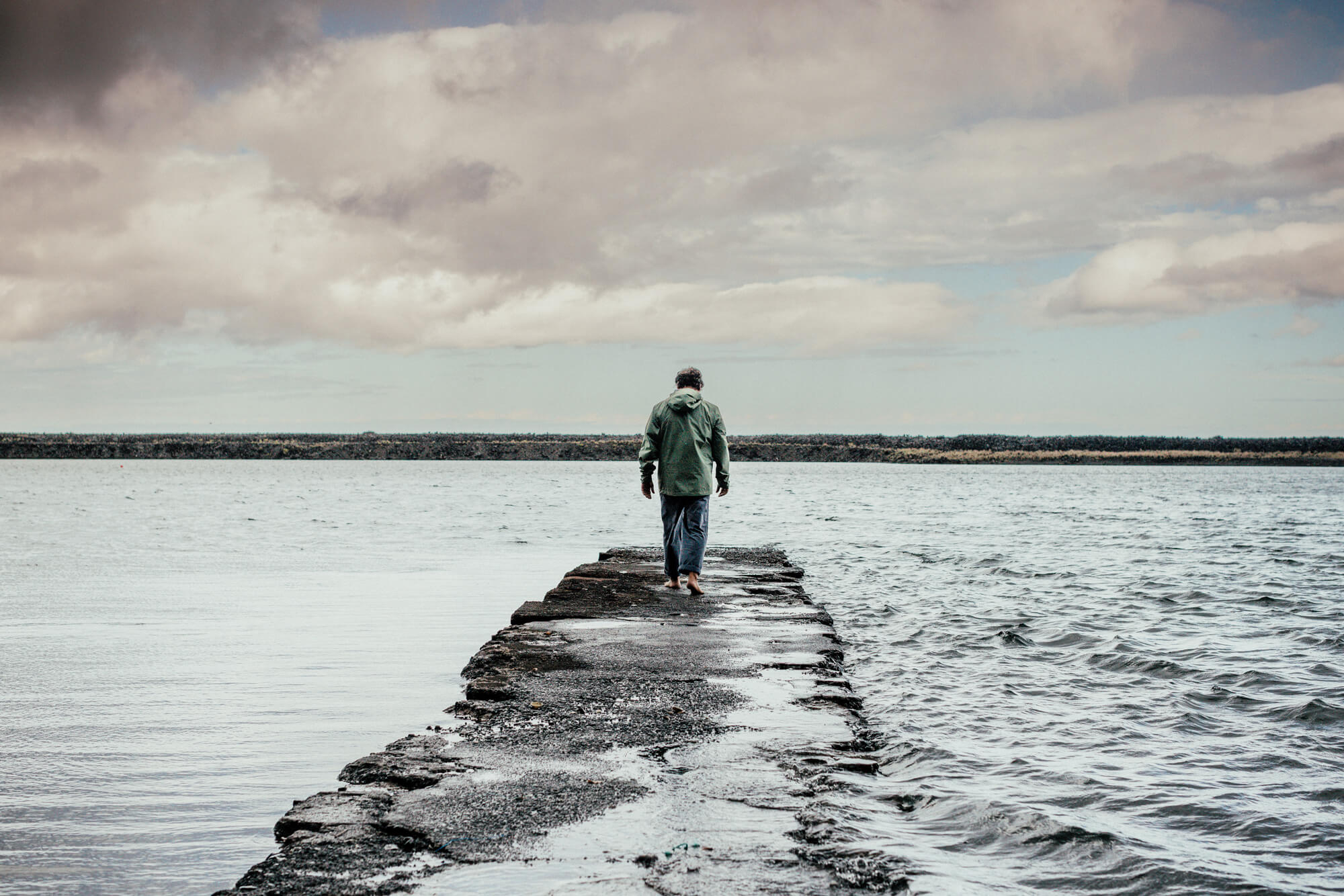
MATÉRIA PROJECT — THE ORIGIN

Matéria Project is the origin, the foundation upon which everything we do at MOGO is built. Founded in 2016 by João and Vânia Rodrigues, it emerged from the need to question the contemporary food system and to reconnect food to its origin - the land, the people, and the territory.

Over the past years, Matéria Project has developed a consistent body of research, mapping, and direct relationships with small Portuguese producers who work in respect of natural cycles, the soil, and local knowledge. This is knowledge built on the ground, through time, listening, and practice.

That path, shaped by investigation and real experience, is now implemented at MOGO. What was conceived, deepened, and consolidated within Matéria takes form, continuity, and expression through MOGO. It is grounded in the conviction that food is culture, ecology, and identity, and that only through a deep understanding of the origin of ingredients is it possible to build a more conscious, fair, and resilient gastronomy.

Residencia Matéria